
 Asep Darmawan
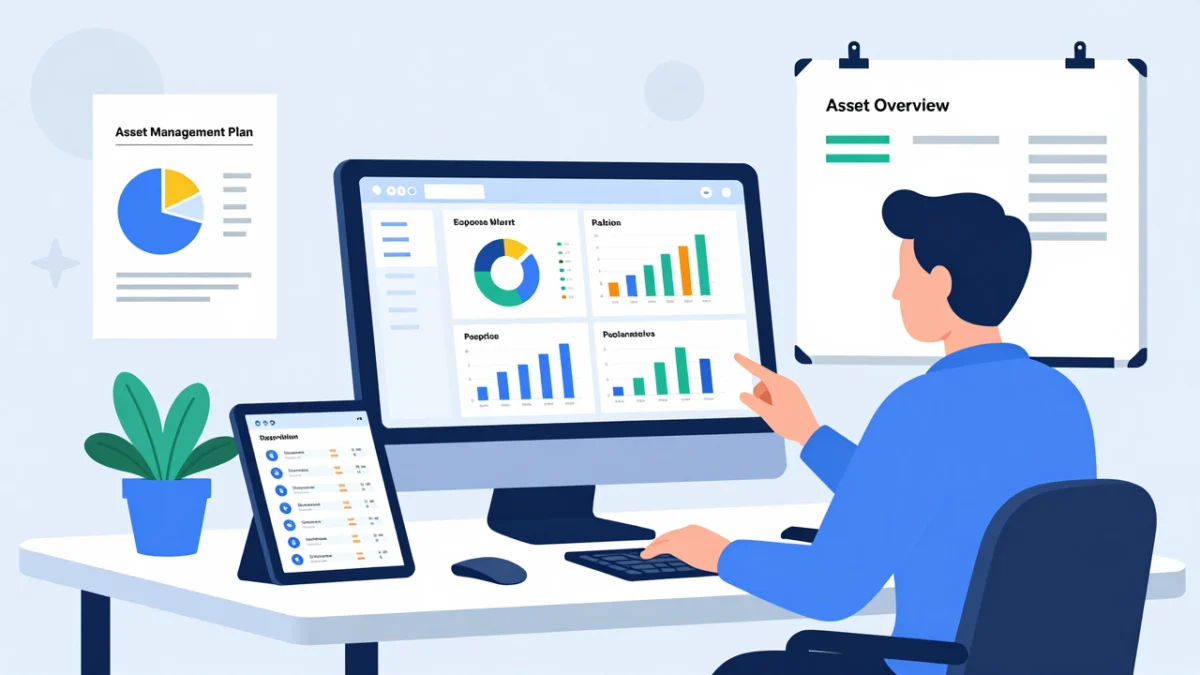
In the modern competitive landscape, the difference between a thriving enterprise and one struggling with overhead often boils down to how effectively it manages its tangible resources. From heavy manufacturing machinery and corporate vehicle fleets to complex IT infrastructure, physical assets are the lifeblood of operational productivity. Yet, many organizations continue to rely on fragmented, manual tracking methods that invite human error, regulatory risk, and unnecessary capital expenditure.
Physical asset management software has emerged as the definitive solution for organizations aiming to transition from reactive maintenance to proactive, data-driven optimization. By centralizing the oversight of tangible assets, businesses can unlock hidden efficiencies, extend equipment lifespans, and ensure total compliance with industry regulations.

The Evolution of Asset Oversight: From Spreadsheets to Automation
For decades, the standard for tracking physical assets was the static spreadsheet—a method now widely considered obsolete and dangerous. The shift toward specialized asset management software represents a paradigm shift in how leadership views its capital investments.
The transition typically follows a clear trajectory:

- The Manual Era: Assets are tracked in siloed documents. Records are rarely updated, leading to "ghost assets"—items that are recorded on books but are either lost, broken, or stolen.
- The Digitization Phase: Organizations implement basic software to establish a "single source of truth." This phase focuses on centralizing data regarding location, value, and depreciation.
- The Optimization Era: Advanced systems utilize IoT integration, real-time telemetry, and predictive analytics. Here, the software doesn’t just record history; it predicts the future, signaling when a motor will fail before it happens.
Core Pillars: How the Technology Functions
At its foundation, physical asset management software functions by creating a digital twin of an organization’s physical inventory. By assigning unique identifiers—often via barcodes, RFID tags, or GPS trackers—the software maintains a continuous pulse on every item.
Real-Time Tracking and Centralization
The software acts as a central repository for all asset-related information. Whether a piece of equipment is in a warehouse, on a job site, or in transit, the system provides real-time visibility. This eliminates the "search-and-rescue" missions that cost field teams countless hours of productivity annually.

Automating the Maintenance Lifecycle
One of the most significant advantages of this technology is the automation of preventive maintenance (PM) schedules. Rather than waiting for a machine to break down—which often results in expensive downtime and emergency repair costs—the software triggers service requests based on usage cycles, mileage, or time-based intervals. By moving from reactive to proactive maintenance, organizations can extend the operational life of their equipment by an estimated 15% to 20%.
Supporting Data: The ROI of Digital Management
The business case for investing in asset management software is supported by compelling metrics. Organizations that replace manual tracking with automated software systems consistently report:

- Operational Efficiency: A 30% improvement in overall asset utilization.
- Cost Reduction: A potential decrease of up to 20% in asset-related expenses by identifying underused assets and avoiding redundant purchases.
- Risk Mitigation: Near-total elimination of audit failures related to asset records and depreciation schedules, which are critical for IRS compliance and financial reporting.
- Downtime Reduction: Significant improvements in uptime, as predictive alerts allow for maintenance to be performed during non-peak hours.
Navigating Regulatory Compliance and Audits
For organizations in highly regulated sectors such as healthcare, construction, or energy, the software serves as a critical shield against legal and financial penalties. Compliance is not merely about having the assets; it is about proving their status, safety, and maintenance history.
The Role of Digital Documentation
Manual logs are easily tampered with or lost. Digital asset management systems provide an immutable audit trail. Every interaction with an asset—who accessed it, when it was serviced, and its current condition—is logged with a timestamp. During an audit, this digital documentation allows organizations to produce proof of compliance in seconds, rather than days, thereby reducing the stress and labor intensity of the audit process.

Strategic Implications: Why It Matters Now
The decision to adopt this software is not just an IT upgrade; it is a financial strategy. In an era of tightening budgets, the ability to sweat assets—getting the absolute maximum value out of every piece of equipment—is a competitive differentiator.
Enhanced Decision-Making
When executives have access to centralized, real-time data, their decision-making process shifts from gut-feeling to data-backed strategy. For instance, if the software reveals that a specific fleet of vehicles has a higher-than-average failure rate, the company can make an informed decision to divest from that model or change its maintenance provider.

Managing the IT Asset Lifecycle
Physical IT assets—servers, workstations, and network hardware—present a unique challenge due to their rapid depreciation and security risks. Specialized IT asset management tools allow companies to track software licenses alongside hardware, ensuring that security patches are applied and end-of-life disposals are conducted in accordance with environmental and data privacy laws.
Overcoming Common Challenges
Despite the clear benefits, many organizations hesitate to make the switch due to the perceived complexity of implementation. However, modern SaaS (Software as a Service) platforms have lowered the barrier to entry.

Addressing Inefficient Tracking
The greatest challenge is the "garbage in, garbage out" phenomenon. Successful implementation requires an initial, thorough audit of current assets. Once the baseline is established, the software does the heavy lifting. By moving away from spreadsheets, companies avoid the common pitfalls of human error, misplaced equipment, and "shadow IT" where assets exist without the knowledge of the central finance team.
The Human Element: Training and Adoption
The most robust software will fail if the workforce does not adopt it. The most successful implementations involve training field staff to use mobile applications to check items in and out or to log maintenance tasks instantly. When the team sees that the software makes their job easier—by providing them with the right tools in the right place—adoption rates skyrocket.

Choosing the Right Solution: A Buyer’s Checklist
When evaluating vendors, decision-makers should prioritize the following features:
- Mobile Accessibility: The ability for field workers to scan assets via smartphone is essential for modern, decentralized operations.
- ERP/Accounting Integration: The software must "talk" to your existing financial systems to ensure that depreciation is tracked accurately for accounting purposes.
- Customizable Alerts: The system should allow users to set specific thresholds for maintenance or inventory levels.
- Scalability: Choose a platform that can grow with your organization, whether you are managing ten assets or ten thousand.
- Robust Reporting: Look for platforms that offer visual dashboards and automated reports that can be shared with stakeholders at a moment’s notice.
The Future of Asset Management: AI and IoT
As we look toward the future, the integration of Artificial Intelligence (AI) and the Internet of Things (IoT) will further revolutionize this space. We are entering an era where assets will "report" their own health. Sensors attached to engines or server racks will transmit data directly to the management software, creating a self-regulating ecosystem that identifies issues long before a human operator notices a drop in performance.

Conclusion: A Proactive Path Forward
The adoption of physical asset management software is a hallmark of a mature, forward-thinking organization. By transitioning from the chaos of manual tracking to the precision of automated systems, businesses can secure their bottom line, protect their compliance posture, and unlock new levels of operational capacity.
The process begins with an honest assessment: How much time is your team spending searching for equipment? How often are you surprised by a costly, preventable repair? If these issues sound familiar, the time to act is now. By investing in the right digital infrastructure, you are not just buying software; you are buying the visibility and control necessary to steer your organization toward long-term success. The path to operational excellence is built upon the foundation of knowing exactly where your assets are, what they are doing, and how to get the most out of them for years to come.


 Azzam Bilal Chamdy

 Ali Ikhwan

 Raul Delapena Setiawan

 Reynand Wu

 Sagoh

