
 Nana
Nana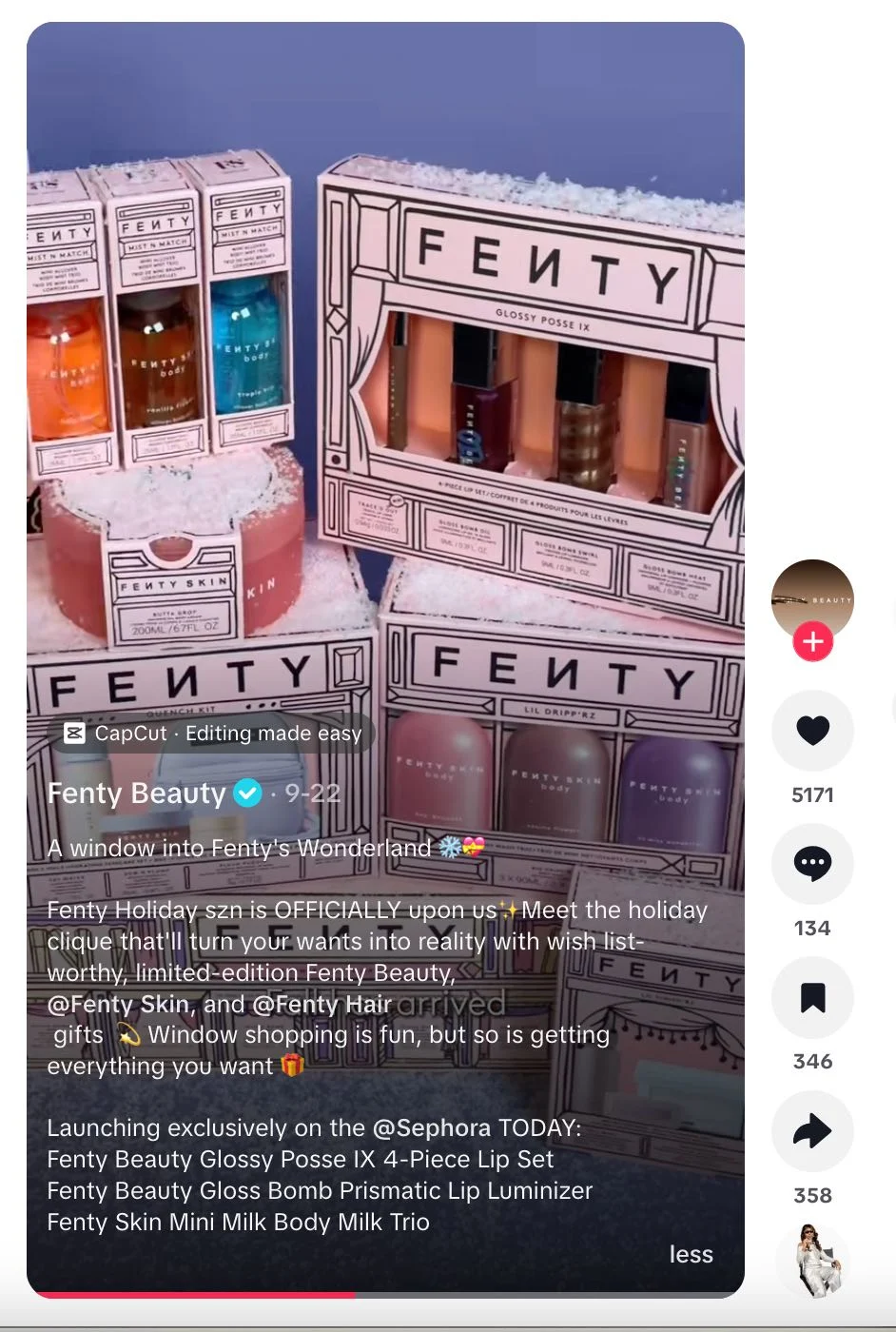
As the final remnants of Halloween candy disappear from store shelves, the retail landscape has already undergone a fundamental transformation. The 2026 holiday shopping season is no longer defined by the traditional post-Thanksgiving rush; instead, it has evolved into a prolonged, months-long marathon of digital discovery, strategic planning, and heightened price sensitivity.
For brands, this expanded timeline offers an unprecedented opportunity to engage consumers, but it also brings a steeper challenge: capturing a shrinking share of wallet in an increasingly crowded digital marketplace. New data from Sprout Social’s Q3 2026 Pulse Survey reveals that three core pillars—campaign timing, economic pragmatism, and the rise of social commerce—will dictate the winners and losers of this year’s holiday cycle.
The Chronology of the 2026 Holiday Season
The traditional "holiday season" has effectively been dismantled. In its place is a staggered approach to consumer engagement.
August to September: The Awareness Phase
The data suggests a nuance in consumer behavior that many marketers miss. While only 21% of shoppers prefer holiday marketing to begin in August or September, nearly half (49%) admit that seeing campaigns that early actually increases their likelihood of making a purchase. This indicates a clear distinction between "holiday messaging"—which shoppers find intrusive—and "seasonal inspiration."
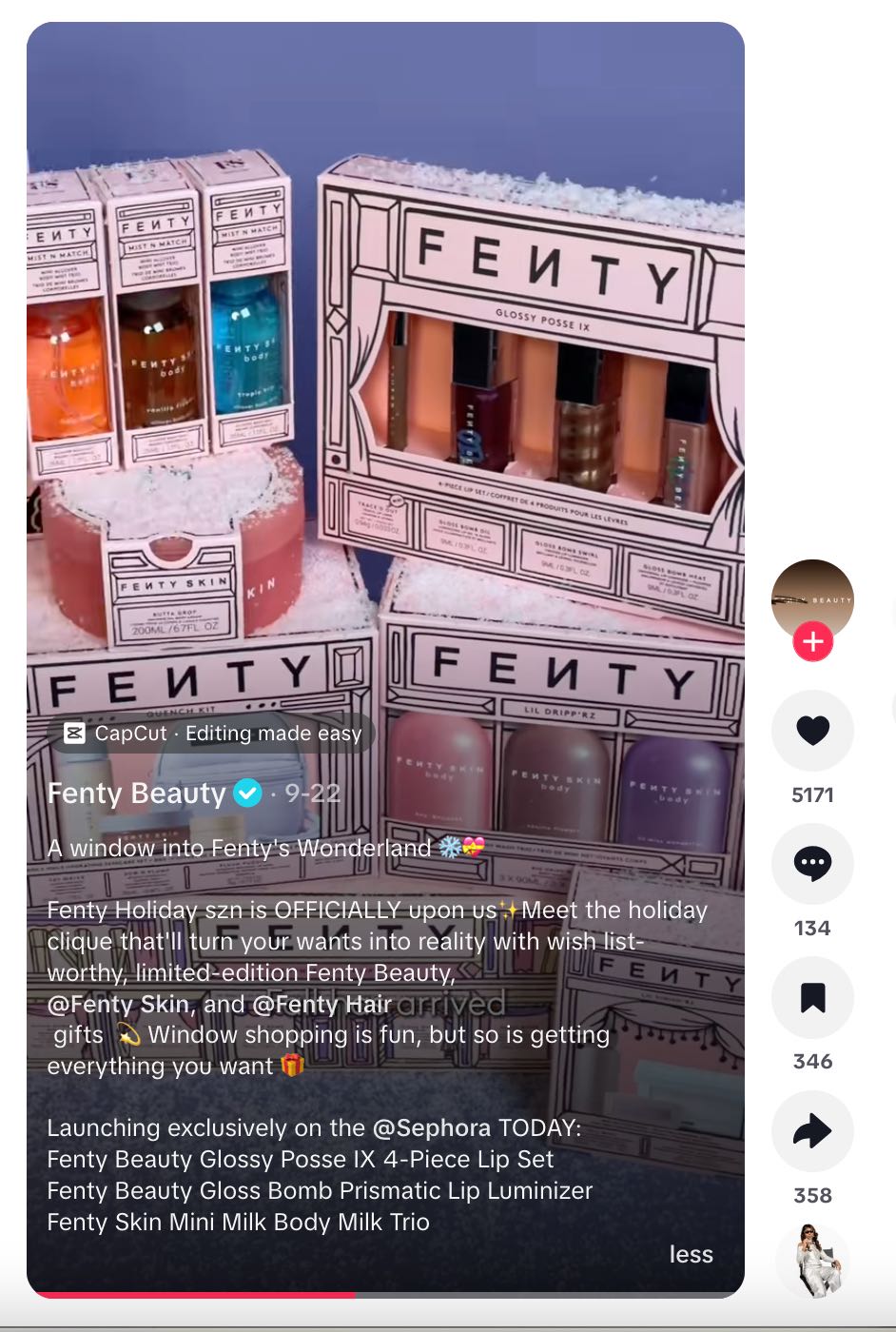
Brands are finding success by using the late summer months to seed interest rather than push aggressive sales. By building awareness and consideration early, companies can test which products resonate before the peak of the season. Fenty Beauty, for example, successfully deployed this strategy by launching its limited-edition holiday collection in September. The move, which generated over 100,000 views on TikTok, allowed the brand to establish a presence in the consumer’s mind long before the formal holiday shopping window opened.

October to November: The Activation Phase
The sweet spot for the majority of shoppers (50%) remains the October–November window. This is when the transition from passive browsing to active buying occurs. During this time, brands must shift from "inspiration" to "conversion." This is the period where marketing teams should ramp up support for the products that showed early traction during the awareness phase.
December: The Final Sprint
December has shifted from a primary shopping month to a period of fulfillment and last-minute procurement. With social commerce now offering seamless, in-app checkout experiences, December is increasingly becoming the time for "low-friction" purchases, where the ease of transaction often outweighs brand loyalty.
Supporting Data: Economic Headwinds and Consumer Behavior
The 2026 consumer is operating under a cloud of economic uncertainty, with inflation and tariffs serving as the primary drivers of anxiety.
The Tariff Factor
The impact of trade policy on the retail sector is no longer hypothetical—it is a direct motivator for consumer behavior. According to the survey, 36% of consumers have begun their holiday shopping earlier than usual specifically to circumvent potential tariff-related price hikes. Another 27% remain concerned about pricing, even if they haven’t yet acted on that anxiety. In total, 63% of shoppers are actively navigating the holiday season with a "price-first" mindset.
The Spending Contraction
This price sensitivity is manifesting as a direct reduction in expenditure. More than half (56%) of respondents indicated they plan to cut back on holiday spending compared to previous years. This represents a significant hurdle for retailers, who must now justify every purchase.
The strategy for success here is not necessarily to slash prices to the bone, but to provide clarity on value. Whether it is through highlighting product quality, versatility, or bundling items to create "value sets," brands that can demonstrate why their product is a smart investment will outperform those that rely solely on discounts.
The Social Revolution: Discovery and Commerce
Social media has officially moved from a peripheral marketing channel to a primary retail destination. For the 2026 season, 46% of consumers report they will turn to social platforms to discover gifts—a figure that now rivals traditional physical retail browsing.
The Power of the Feed
Social media is no longer just a place to see advertisements; it is an engine for inspiration. The influence of social is compounding; 28% of consumers plan to increase their reliance on social media for gift hunting compared to the 2025 season.
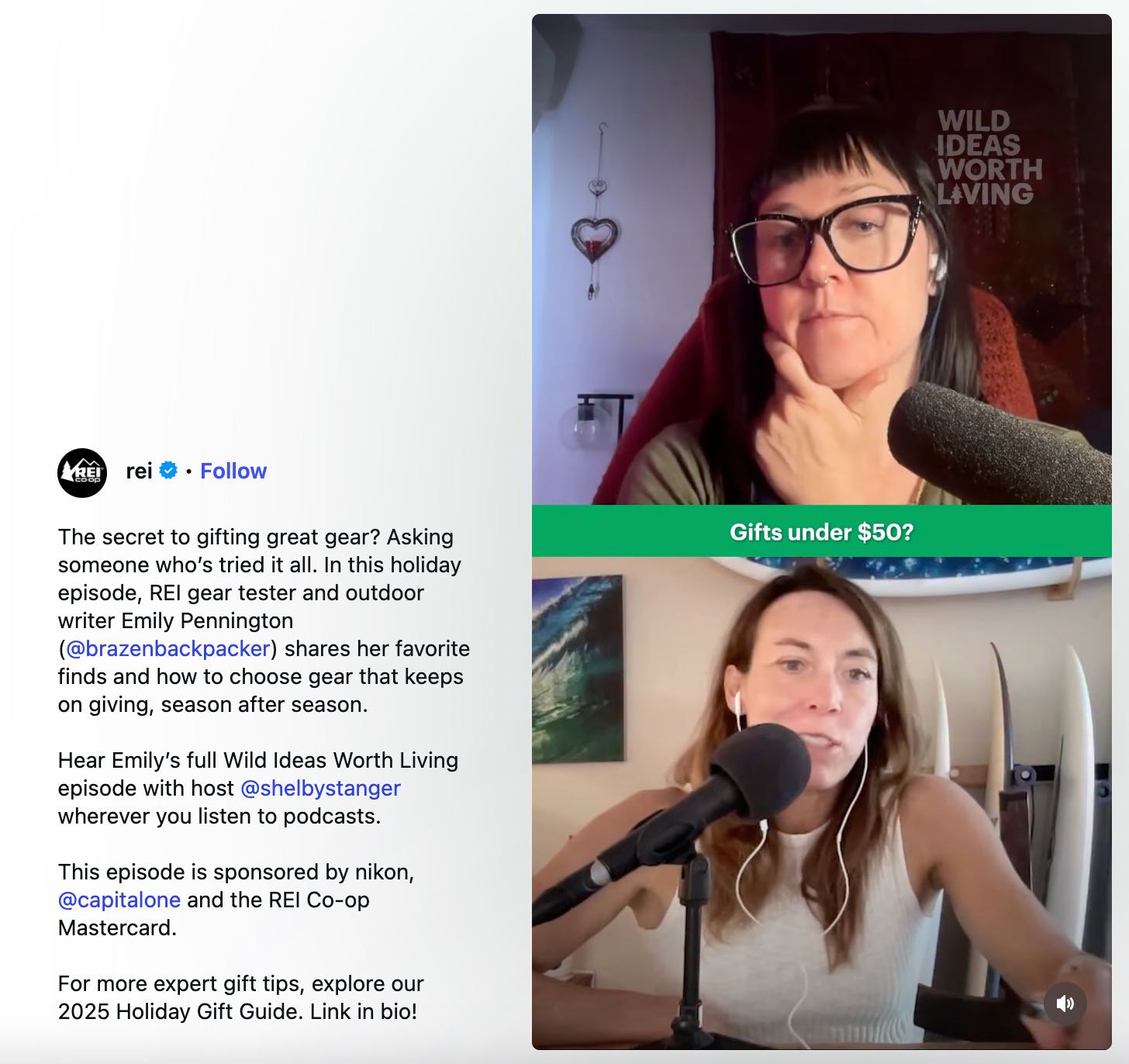
To capitalize on this, brands must treat their social profiles as a storefront. Content needs to be organized in a way that allows a new visitor to immediately grasp the value proposition. Categorizing content by recipient (e.g., "Gifts for the Tech Lover"), interest, or price point can drastically lower the barrier to entry for shoppers who are still in the discovery phase.
The Anatomy of a Social Purchase
What finally triggers the "buy" button? The data highlights a multi-faceted approach:
- Promo Codes (30%): Direct financial incentives remain the strongest driver.
- Product Action (28%): Showing a product in use—how it fits, how it works, or how it looks in a real-world setting—is nearly as effective as a discount.
- Original Content (26%): Branded storytelling that evokes the spirit of the season.
- User/Creator Content (22%): Peer-to-peer validation remains a critical component of the buyer’s journey.
Implications for Brands: A Strategic Roadmap
As brands finalize their end-of-year strategies, the integration of social commerce and customer service is paramount.
Bridging the Gap Between Discovery and Purchase
With 57% of consumers now willing to purchase directly within a social app, the "frictionless" experience is the new gold standard. Brands that force users to navigate away from an app to a complex, non-mobile-optimized website risk losing the sale. A seamless transition from a TikTok ad to an in-app checkout is essential for capturing the impulsive or time-pressed shopper.
The "Social Customer Service" Imperative
Perhaps the most significant shift in the 2026 landscape is the expectation of high-touch service within social DMs and comments. Over a quarter (27%) of shoppers expect to use social media for customer service more frequently than they did last year.
This means that a brand’s social media team is now, effectively, the front line of their customer support team. Questions about shipping, sizing, and inventory are no longer just "comments"—they are pre-purchase inquiries. Brands that fail to staff their social inboxes adequately during Q4 will find themselves losing customers to competitors who are faster to respond.
Final Strategic Takeaways
The 2026 holiday season is defined by a shift toward earlier, more intentional, and socially-driven shopping. To remain competitive, organizations must adhere to three foundational principles:
- Segmented Timing: Use the late summer for discovery and brand building, and save the high-intensity promotional "all-in" messaging for October and November.
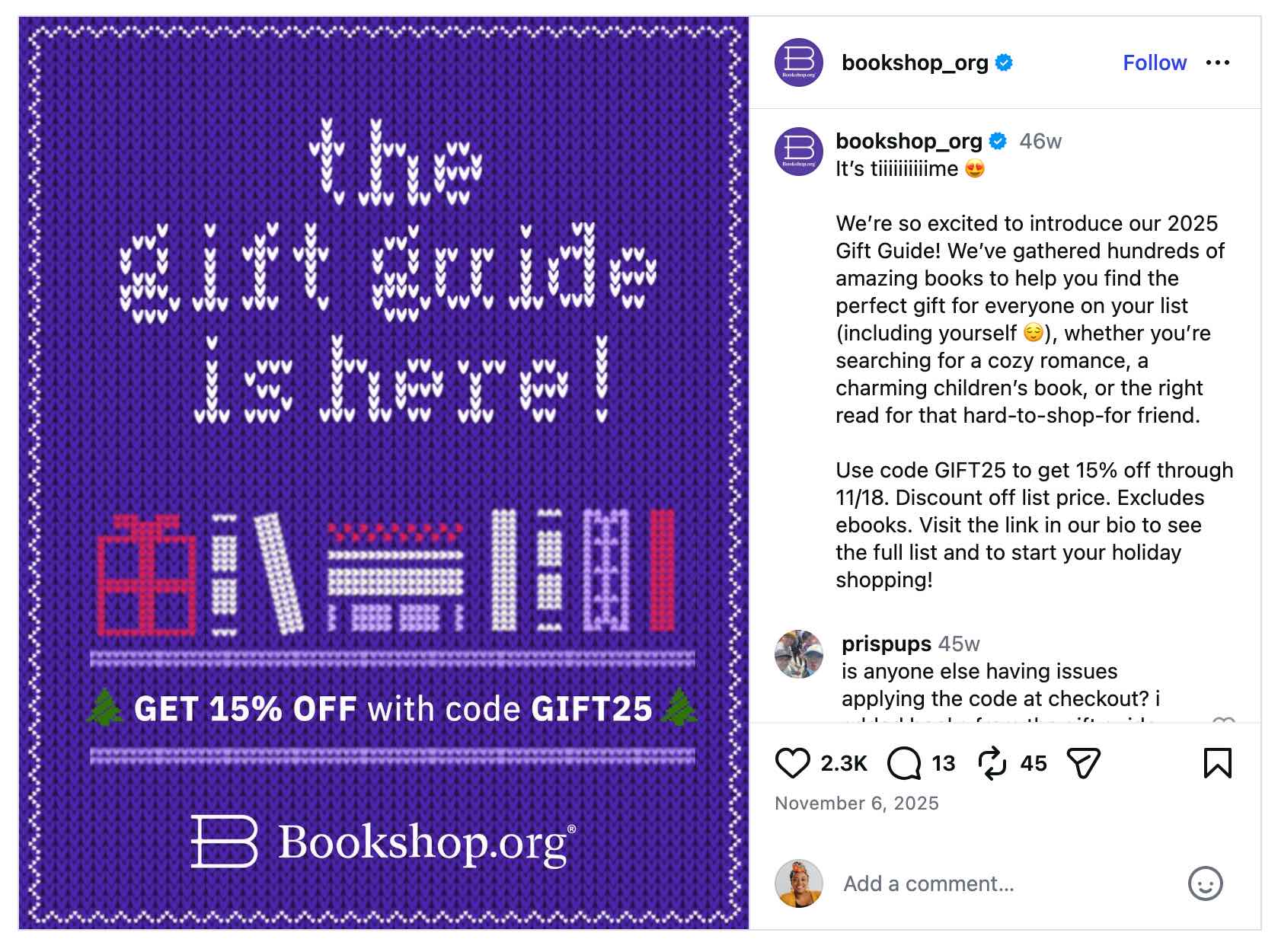
- Value-Driven Communication: Given the 56% expected reduction in spending, stop competing solely on price and start competing on value. Use gift guides, bundle deals, and product education to show why your items are worth the cost.
- Social Integration: If your social media strategy is limited to posting content, you are missing half the opportunity. Invest in social commerce tools for frictionless purchasing and ensure your team is prepared to handle high volumes of customer service requests in real-time.
The holiday season has evolved, and the brands that thrive will be those that view every social interaction not just as a marketing touchpoint, but as a potential point of sale. By aligning these priorities, businesses can navigate the complexities of the 2026 economy and connect with shoppers on their own terms.

 Jia Lissa
 Asep Darmawan
 Layla Zulfa

 Pevita Pearce
 Rifan Muazin

 Iffa Jayyana