
 Jia Lissa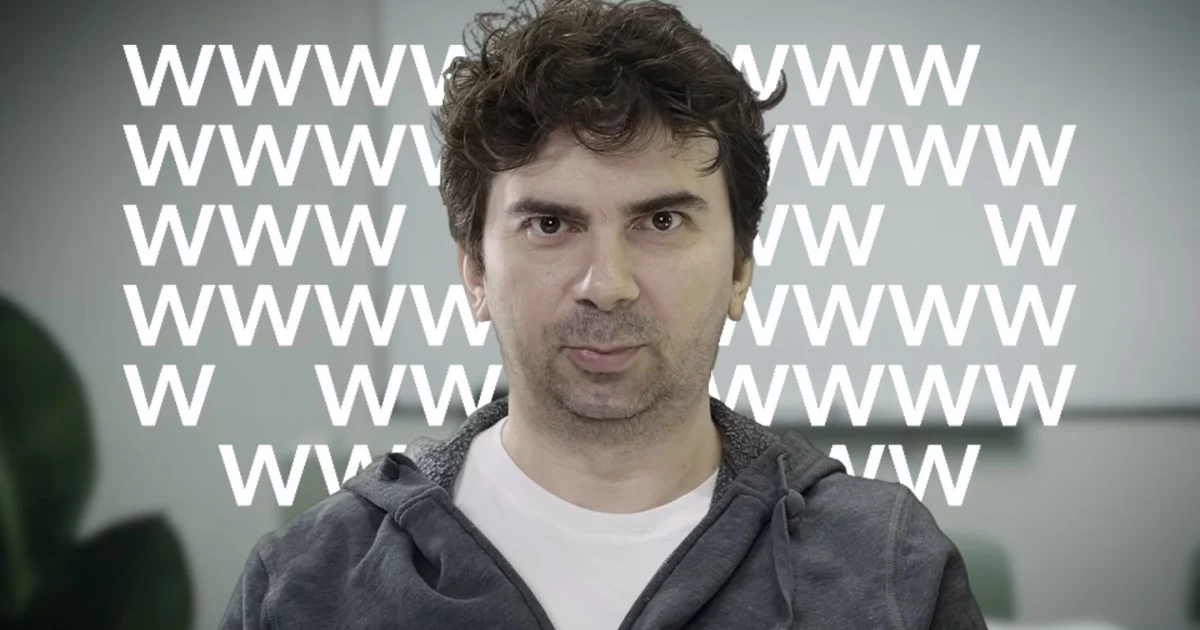
In an era where search algorithms are increasingly opaque, Google has taken a novel approach to bridging the gap between its engineers and the global SEO community. On October 14, the Google Search Central team officially launched "The Non-Canonical Cabinet," a new sitcom-style video series dedicated to addressing the obscure, "edge-case" technical inquiries that rarely make it onto standard FAQ pages. Hosted by veteran Google search experts Gary Illyes and Cherry Prommawin, the series promises to tackle the granular, often misunderstood aspects of web architecture that keep developers and SEO professionals up at night.
The Genesis of the Series: A New Approach to Education
The launch of The Non-Canonical Cabinet represents a strategic pivot in how Google communicates its internal technical standards. While the 2024 "How Search Works" series provided a high-level, five-part masterclass on the fundamental mechanics of crawling, indexing, and serving content, this new project is designed for the nuances.
According to the series’ official description, the show focuses on questions that fall into a "no-man’s-land" of technical documentation—queries that are too specific for broad guidelines but remain critical for those optimizing for modern search and generative AI features. By adopting a sitcom format, Google is attempting to make complex technical discussions more accessible, inviting industry professionals to submit their own "weird" SEO questions in the comments section of each installment.
The journey began on October 6 with a brief teaser trailer, which signaled a shift toward a more conversational and personality-driven educational style. With the first episode dropping just eight days later, it is clear that Google intends to maintain a momentum that keeps the industry engaged with the evolving nature of search.
Navigating the Technical Landscape: Domains vs. URL Paths
The debut episode wasted no time diving into one of the most persistent debates in technical SEO: the structure of domains versus the structure of URL paths. To understand why certain characters cause issues, one must look at the governing bodies behind the internet: the Internet Engineering Task Force (IETF) and the Internet Corporation for Assigned Names and Numbers (ICANN).
The Strict Rules of Domain Names
Domain names are subject to rigorous standards (notably RFC 1035 and RFC 1123). As Prommawin clarified, Google aligns its practices with these established protocols, which permit only letters, numbers, and hyphens.
The conversation inevitably turned to Internationalized Domain Names (IDNs), which allow for scripts beyond the standard Latin alphabet, such as Arabic or Chinese characters. While these are converted into "Punycode" (a string beginning with xn--) for technical processing, they can lead to significant security and usability concerns. Illyes highlighted the risk of "homograph attacks," where characters from different scripts—such as a Cyrillic ‘p’—look identical to English letters, potentially misleading both users and browser security filters.
Furthermore, the team addressed the elephant in the room: emojis in domain names. Despite the popularity of creative branding, current ICANN standards explicitly disallow them. While a 2017 resolution allows for some exceptions within specific country-code top-level domains (ccTLDs), the consensus is clear: do not bet your long-term SEO strategy on an emoji-based domain.
The Flexibility of the URL Path
Unlike domain names, the URL path—the portion of the URL following the TLD—offers more breathing room. Illyes confirmed that Googlebot is fully capable of crawling and processing paths containing emojis. However, there is a catch: browsers must translate these emojis into percent-encoded strings (e.g., a chicken emoji becoming %F0%9F%90%94).
While the system can handle it, the user experience (UX) is a different matter. Illyes warned that many social media platforms and browsers may fail to render the emoji, displaying "gibberish" instead. Google’s existing documentation reinforces this, recommending percent encoding for non-ASCII characters, effectively suggesting that while you can use emojis in your paths, the technical and UX overhead likely outweighs the aesthetic novelty.
The Myth of Keyword-Rich URLs
One of the most valuable segments of the inaugural episode involved the debunking of "keyword stuffing" within URLs. For years, SEO practitioners have debated the efficacy of packing URLs with high-value search terms.
Illyes was unequivocal: keywords in a URL are an "incredibly small signal." He framed them as a "tie-breaker" or a fallback mechanism that only matters when Google has absolutely no other information to go on—such as a domain that is seconds old and completely devoid of content. Once a page begins to accrue content, authority, and signals from the web, the keyword-heavy URL becomes "basically irrelevant."
This aligns with a long history of guidance from Google representatives. John Mueller, another titan of the Google Search team, characterized URL keywords as a "very, very lightweight factor" as early as 2021. By reinforcing this, the Non-Canonical Cabinet serves as a stern reminder to move away from the outdated practice of trying to "game" rankings through URL manipulation.
Best Practices for URL Structure: Separators
The episode also touched upon the technical debate regarding word separators: hyphens versus underscores. Illyes reiterated a long-standing Google recommendation: use hyphens.
When words are joined by underscores in a URL path, Google interprets them as a single, concatenated word. While this does not necessarily mean the content won’t be indexed or understood, it creates unnecessary friction. Hyphens, conversely, are universally recognized as the standard word separator across the web. The preference for hyphens is rooted in historical programming conventions where underscores often denote variables or function names that must remain unbroken, whereas hyphens are semantic separators for text.
Implications for the SEO Industry
The primary implication of this series is that Google is finally providing a definitive, on-the-record "court of last resort" for SEO edge cases. For agencies and webmasters, the advice provided in this first episode offers a roadmap for pruning unnecessary technical efforts.
- Stop optimizing for URL keyword density: If you are spending hours debating the keyword structure of your URLs, you are likely chasing a signal that has effectively zero impact on your long-term success.
- Audit your URL structure: Ensure you are using hyphens rather than underscores to improve the clarity of your URL segments for search engine crawlers.
- Prioritize standard domain naming: Avoid the temptation of creative emoji-based domains, as they are not universally supported and run counter to established IETF standards.
- UX over "clever" tech: If you choose to include complex characters in your URL paths, prioritize the user experience. If a user sees "gibberish" instead of a clean, readable link, you have failed the UX test, regardless of whether Googlebot can crawl it.
Looking Ahead: What’s Next?
The industry response to the launch has been largely positive, as professionals appreciate the transparency regarding what doesn’t matter in SEO. The next episode of The Non-Canonical Cabinet is slated to tackle the complexities of robots.txt—a subject that, while fundamental, is fraught with configuration errors that can cripple a site’s search visibility.
While Google has not provided a rigid release schedule, the engagement levels on the first video suggest that this series will become a staple of the SEO community. By opening the floor for user questions in the comments, Google is effectively crowdsourcing the most pressing problems in the industry, turning The Non-Canonical Cabinet into a living repository of expert knowledge.
In the final analysis, this series is a masterclass in separating signal from noise. For SEOs, the takeaway is clear: stop trying to find shortcuts in the URL structure and start focusing on the content that actually moves the needle. As the series progresses, it will undoubtedly become an essential resource for those looking to stay on the right side of Google’s evolving technical expectations.


 Siti Muinah
 Ammar Sabilarrohman
 Layla Zulfa
 Nana
Nana
 Pevita Pearce
 Rifan Muazin

 Iffa Jayyana