
 Nana
Nana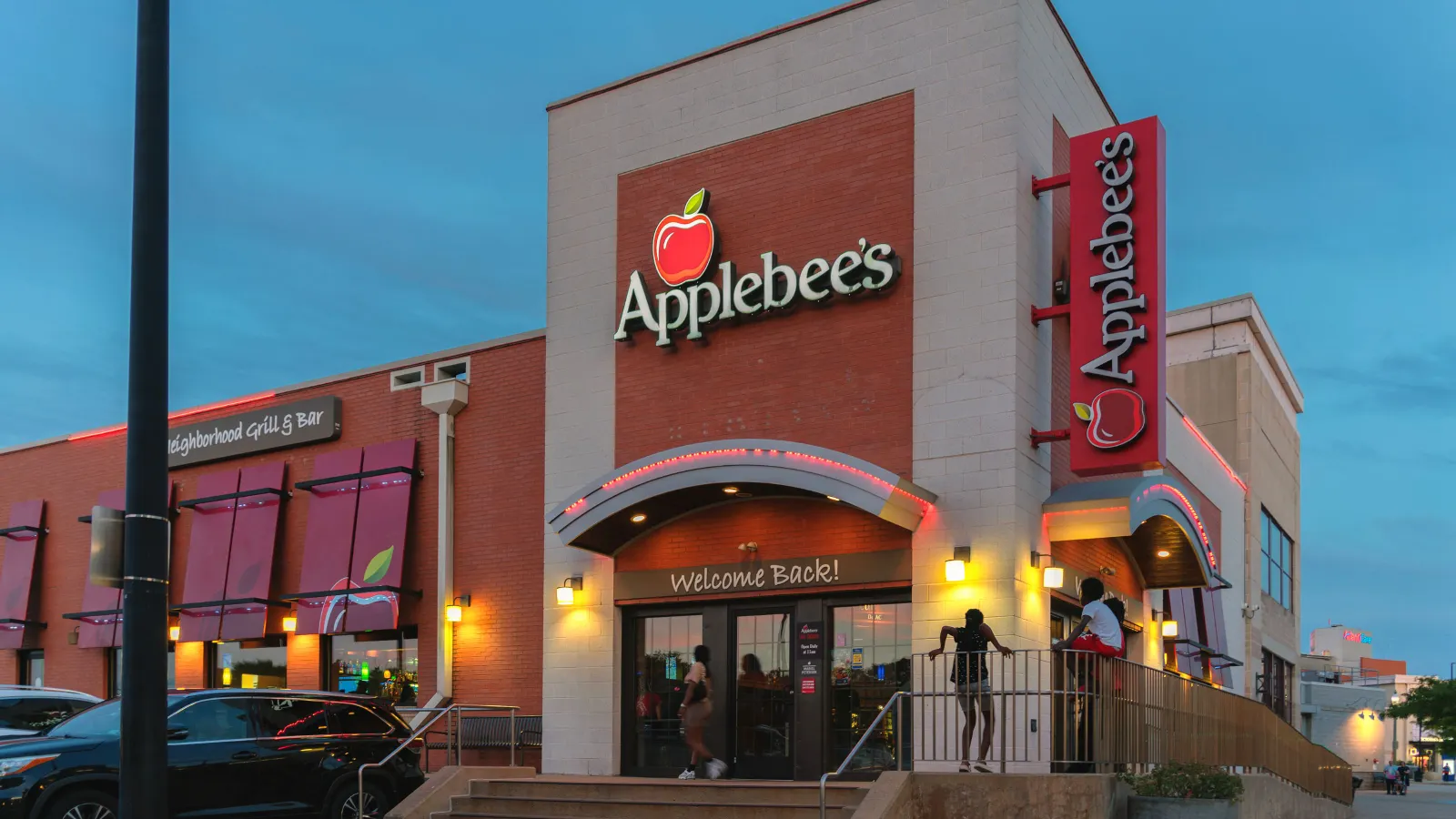
In the hyper-competitive landscape of casual dining, the battle for the consumer’s wallet has never been more intense. As inflation remains a persistent shadow over the QSR and casual dining sectors, brands are scrambling to prove their worth. For Applebee’s, a stalwart of the American dining scene for nearly half a century, the strategy is not merely about discounting; it is about reclaiming the concept of the "neighborhood" in an increasingly digital, fragmented world.
Following a period that saw a 1.8% dip in comparable domestic same-restaurant sales during Q2 2026, the brand is doubling down on a "barbell" marketing strategy. This approach balances high-volume, affordability-driven campaigns—such as the recent "All You Can Eat" promotion—with culturally resonant, higher-priced indulgences designed to generate social media buzz and capture a younger demographic.
The Chronology of a Turnaround
Applebee’s marketing evolution has been marked by a transition from traditional mass-media advertising to a more nuanced, creator-led ecosystem.
- September 2025: Michelle Chin, a veteran of Starbucks, joins Applebee’s as Chief Marketing Officer, tasked with revitalizing the brand’s image and cementing its relevance for a new generation.
- Early 2026: The chain rolls out the third iteration of its "Date Night Pass," a loyalty-based offering that leans into experiential value rather than traditional point-accumulation systems.
- Summer 2026: The "Poolio with Don Julio" campaign launches, serving as the "indulgence" side of the brand’s barbell strategy. Despite the economic headwinds of the second quarter, the campaign successfully moved the needle on social engagement.
- September 2026: Applebee’s announces the appointment of BBDO Chicago as its new creative agency of record, signaling a departure from siloed marketing channels toward a more integrated, "messy middle" approach to the consumer journey.
- October 2026: The chain continues its value-messaging refresh by reintroducing "Sizzlin’ Skillets" at $12.99 and launching a seasonal "Spooky Sips" beverage menu, priced at $6, to maintain traffic during the shoulder seasons.
Decoding the "Barbell Strategy"
The "barbell strategy" referenced by Dine Brands Global CEO John Peyton is central to Applebee’s survival in the current economy. By anchoring the brand in accessibility, the chain prevents customer churn, while the premium, buzz-worthy limited-time offers (LTOs) ensure the brand remains part of the cultural conversation.
"This is our marketing playbook in action: an accessible, value-driven all-you-can-eat campaign, anchored in affordability, paired with a culturally resonant higher-priced indulgence," Peyton noted during the company’s Q2 earnings call.
This approach recognizes that the modern consumer is multifaceted. A customer may visit Applebee’s on a Tuesday for a budget-friendly meal, but they are also looking for the "worth it" moments—the occasional indulgence—that justify the trip. By catering to both, Applebee’s aims to capture a larger share of the "share of wallet" than its competitors, who often focus exclusively on single-diner, low-cost promotions.
CMO Michelle Chin: A Year of "Neighborhood" Discovery
Since stepping into the CMO role just over a year ago, Michelle Chin has focused on a deep-dive analysis of what defines the Applebee’s brand. Her approach has been grounded in physical presence—traveling across the country to meet franchisees and diners.
"I spent the last year traveling around the country, working with our franchisees, meeting our guests firsthand," Chin explained. "For me, it’s really about identifying what made Applebee’s special for the last 46 years, and subsequently, what do we take forward for the next 46?"
Chin acknowledges that the traditional definition of a "neighborhood" has shifted. For decades, Applebee’s relied on geographical proximity. Today, neighborhoods are digital clusters—communities of interest and shared values. The challenge for the brand is to evolve its messaging to fit this new reality without alienating its core base.
Breaking Down the Silos
One of Chin’s primary objectives has been the dismantling of internal marketing silos. Historically, the brand’s social media, menu development, and traditional advertising teams operated with little cross-pollination.
"In a restaurant business, it’s really about sales overnight, brand over time, but striking that balance to make sure you’re doing both simultaneously," Chin said. Under her guidance, the brand has begun to view marketing as a unified ecosystem. The partnership with BBDO Chicago is intended to facilitate this shift, moving away from channel-specific storytelling toward a cohesive narrative that spans TV, digital, and in-restaurant experiences.
The Role of Authenticity in Social Strategy
Applebee’s has leaned heavily into the creator economy, recognizing that its most potent advocates are not necessarily paid celebrities, but authentic voices who mirror the diversity of their actual dining rooms.
"We are a brand for hardworking individuals who are savvy with their money, who still want a great time and the sense that it’s worth it," Chin noted. By partnering with creators who produce genuine, unscripted reviews, Applebee’s allows the brand to be interpreted in various ways—whether as a lunch spot, a late-night appetizer destination, or a place to reconnect with friends.
This philosophy is best exemplified by the recent NFL partnership featuring former pro-athlete Marshawn Lynch. The launch of the "O-M-Cheese-adilla Burger" was not just a menu item; it was a cultural play. Because Lynch had a genuine, pre-existing affinity for the brand, the partnership felt authentic to fans. When a celebrity is seen ordering four burgers because they truly enjoy them, the marketing shifts from an "ad" to a "moment," significantly increasing conversion and brand sentiment.
Loyalty Beyond the Point System
In an era where most brands are pushing complex, points-based loyalty programs, Applebee’s has taken a distinct path with its "Date Night Pass." By focusing on experiential value, the chain creates memories rather than just transactions.
"Our philosophy is really about having a program that has an experiential, value-added base, as opposed to a typical point system," Chin explained. This aligns with the brand’s core mission: providing a space for human connection. The "2 for $25" promotion remains a pillar of this strategy, accounting for over 25% of the brand’s business. It serves as a social anchor, encouraging guests to dine in groups and share an experience, which is far harder to replicate in a digital or delivery-only model.
Implications for the Casual Dining Industry
The implications of Applebee’s strategy are significant for the broader industry. As competition for the "value" dollar intensifies, the chain is betting that human connection and brand heritage will outperform simple discounting.
- The Death of the Traditional Funnel: As Chin noted, the traditional marketing funnel—where a customer is guided from awareness to consideration to purchase—has been replaced by the "messy middle." Brands must be omnipresent and consistent, regardless of where the customer enters the journey.
- The Shift in Value Definition: Value is no longer just about the lowest price. For Applebee’s, it is about the "worth-it" factor. Providing a high-quality experience at a fair price is proving more sustainable than a race to the bottom on menu pricing.
- Franchise-Centric Modernization: By putting the CMO on the road to meet franchisees, Applebee’s is reinforcing the idea that brand health is inextricably linked to the operational reality of individual restaurants.
As Applebee’s looks toward the future, the goal is clear: to remain the neighborhood standard-bearer for a generation that defines "neighborhood" through the lens of social media, authenticity, and shared experiences. Whether this strategy will be enough to reverse the sales declines of mid-2026 remains to be seen, but the brand’s focus on the "messy middle" and authentic, experience-led marketing suggests a resilient path forward in a challenging economic climate.

 Jia Lissa
 Layla Zulfa

 Pevita Pearce
 Rifan Muazin

 Iffa Jayyana