
 Suro Senen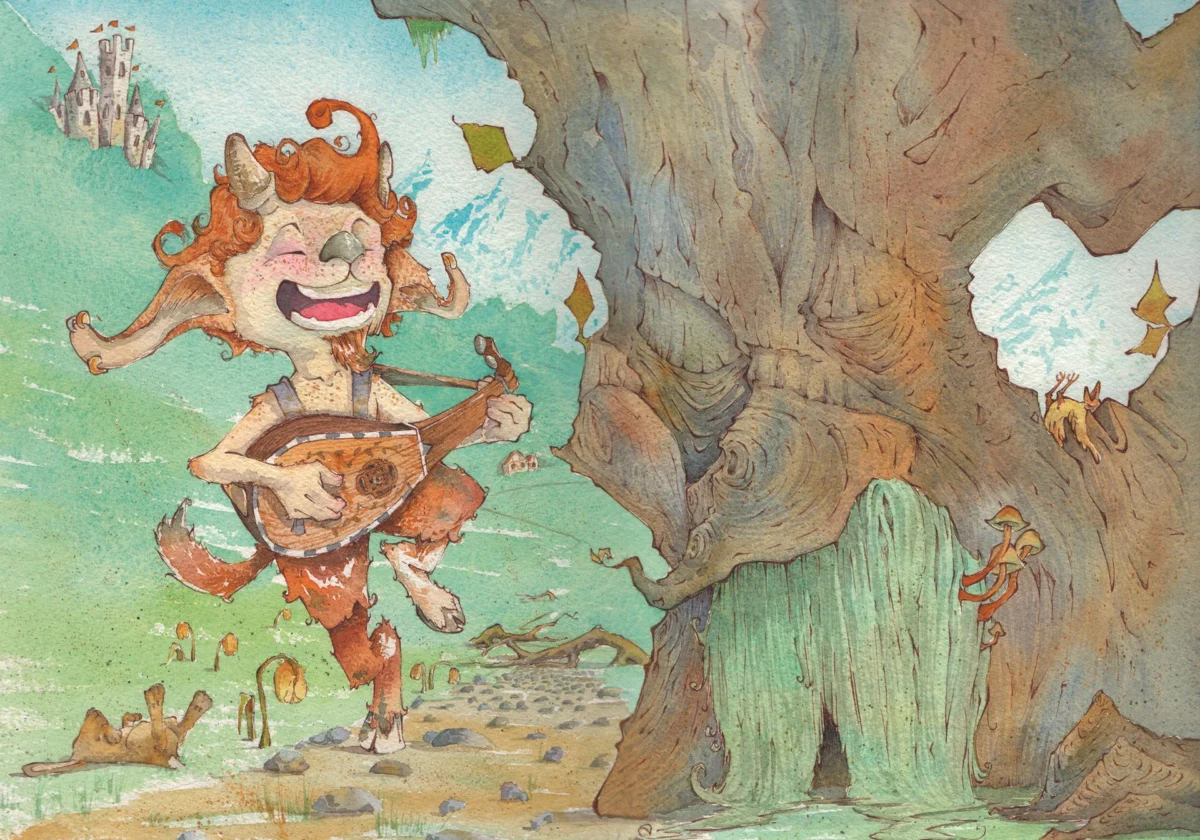
In the quiet coastal commune of Plouzané, Brittany, a quiet revolution of whimsy is taking place on the drawing desk of Gabriel Ribeiro. A Brazil-born artist who has navigated the vast cultural landscapes of the United States and France, Ribeiro has carved out a unique niche in the competitive world of children’s literature and fantasy illustration. His work, characterized by a delicate marriage of traditional watercolor techniques and the precision of colored pencils, serves as a bridge between the boundless imagination of childhood and the nuanced experiences of a global citizen.
The Foundations of Wonder: Main Facts
Gabriel Ribeiro is not merely an illustrator; he is a world-builder. His artistic identity is deeply rooted in his formative years, spent absorbing the natural beauty of his native Brazil and the formative, often disorienting, experience of navigating life as an immigrant in the United States. These dual influences—the lush, organic world and the search for belonging—manifest in his portfolio, most notably in his debut children’s book, The Autumn Fairies.
Ribeiro’s process is intentionally tactile. In an industry increasingly dominated by digital painting and AI-generated imagery, he remains committed to the physical intimacy of paper, pigment, and graphite. His primary tools of choice remain high-quality watercolor paints and professional-grade colored pencils. This commitment to traditional media imbues his work with a texture and human warmth that is difficult to replicate through digital brush engines. His art is defined by:
- Narrative-Driven Design: Every piece is a fragment of a larger, unspoken story.
- Organic Color Palettes: Drawing directly from the seasonal shifts of nature, particularly the transition into autumn.
- Silhouette-First Philosophy: A deliberate focus on shape language to ensure characters are immediately recognizable and emotionally resonant.
A Journey in Ink: The Chronology of an Artist
Ribeiro’s creative trajectory has been marked by a transition from observational sketching to complex world-building. While his early work focused on capturing the immediate beauty of his surroundings, his recent output suggests a pivot toward more structured, intellectualized character studies.
His career began with a pursuit of the whimsical, eventually finding its footing in the publication of The Autumn Fairies. Following this success, Ribeiro began to engage in more rigorous artistic development. During a pivotal week-long workshop—a turning point in his professional timeline—he began to experiment with the pre-production phase of illustration. Rather than jumping directly into the final render, he began prioritizing color compositions, thumbnailing, and character turnarounds. This shift allowed him to transition from creating standalone images to crafting immersive, cohesive narrative environments.
The Anatomy of Creation: A Portfolio Analysis
Ribeiro’s work is perhaps best understood through four specific projects that highlight his evolving skill set.
1. Portobello and the Hatmaker
This project represents a masterclass in minimalist storytelling. By focusing on a "less is more" approach, Ribeiro uses strong silhouettes to define the dynamic between his characters. He posits that the most effective character designs tell a reader everything they need to know about a person’s temperament, background, and intent before a single word of text is read. This piece serves as a blueprint for his future endeavors, emphasizing that a compelling visual story can often be conveyed with just two figures in a frame.
2. Fin and the Foul Root
If Portobello was an exercise in minimalism, Fin and the Foul Root was an exercise in discipline. This concept piece was the culmination of his deep-dive workshop, marking the most extensive planning phase of his career to date. The work showcases his growing ability to manage complex color theory and composition, ensuring that the "foulness" of the environment is perfectly balanced against the design of the protagonist, creating a visual tension that drives the viewer’s eye across the page.
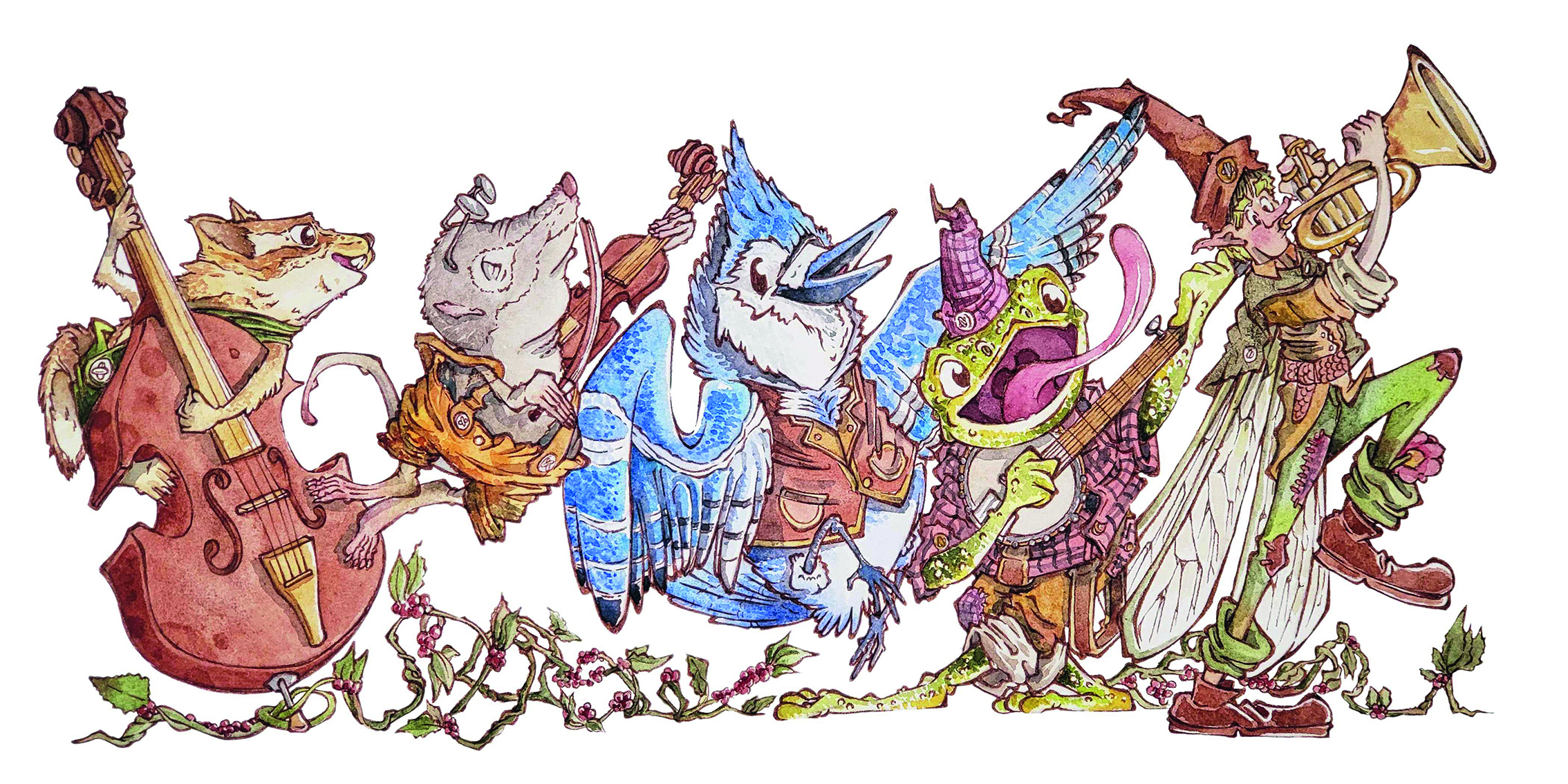
3. Animal Band
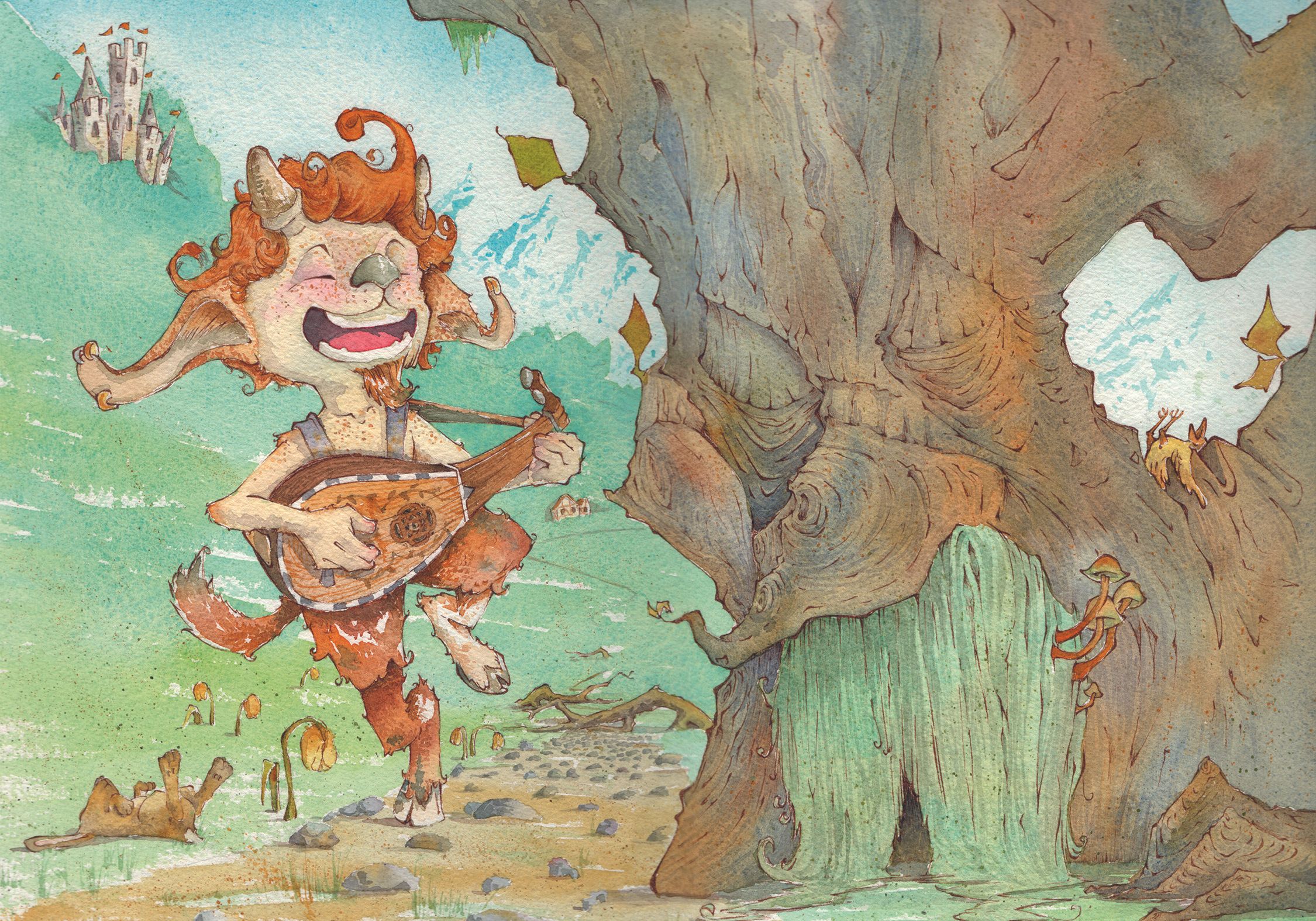
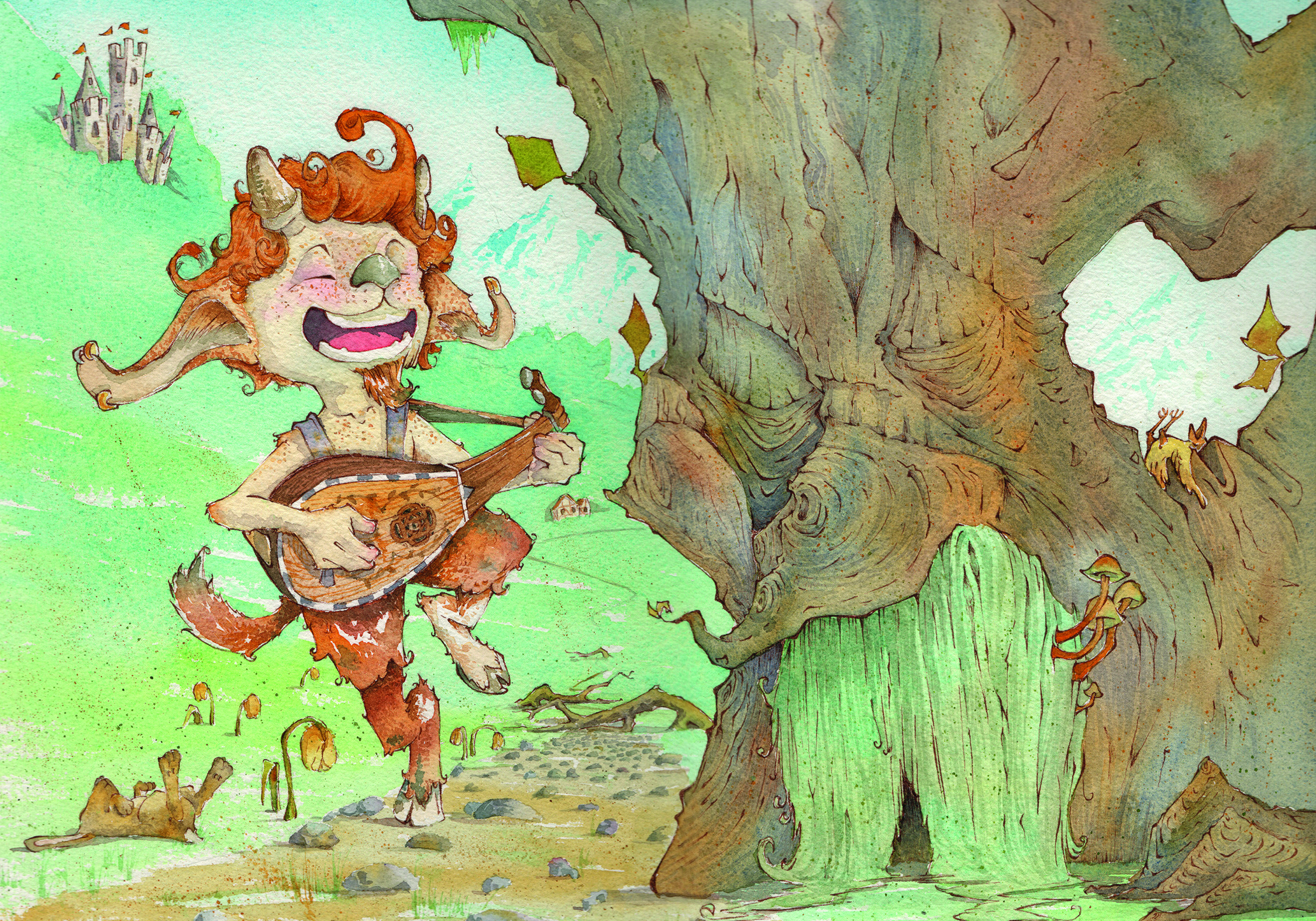
This work serves as a pivotal bridge in his aesthetic development. It was one of the first instances where Ribeiro transitioned into warmer, more inviting color palettes. Beyond the technical shift, Animal Band represents his dive into deeper world-building. The concept—a recurring seasonal festival where animals and fairies join forces for a concert—establishes a lore-heavy foundation that allows for infinite storytelling possibilities.
4. Firewood Brigade
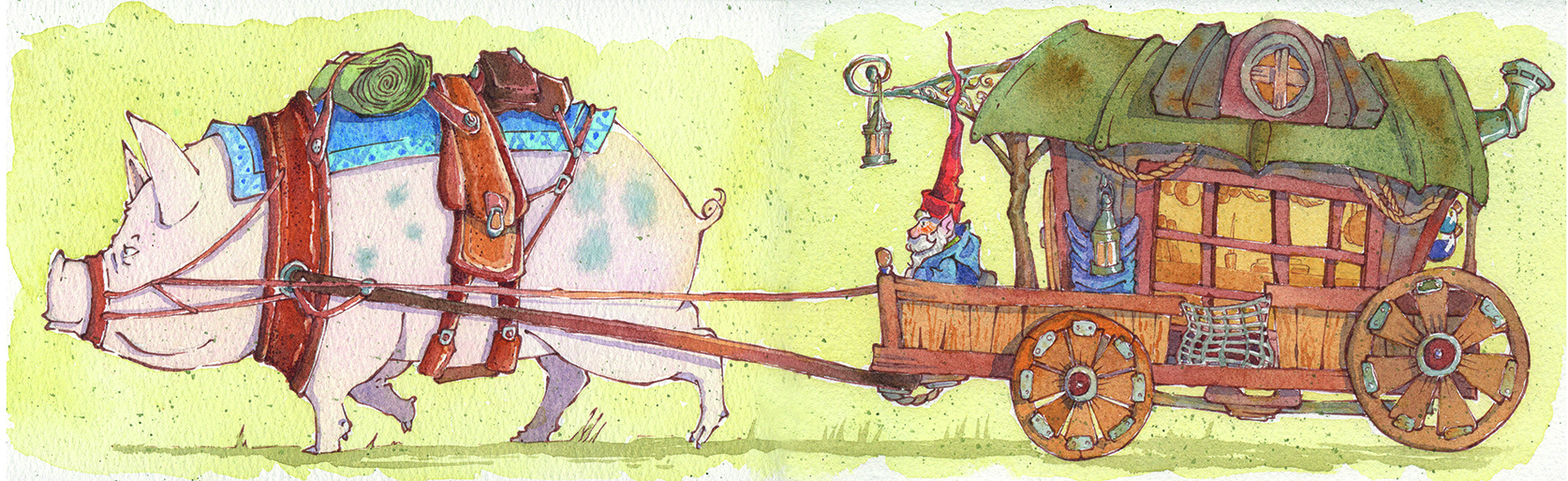
A direct thematic sequel to Animal Band, this illustration acts as a "world-fleshing" exercise. Here, Ribeiro moves away from the grandeur of the concert to the mundane beauty of the village. By depicting the logistics of life—the collection and distribution of firewood to keep his fantasy inhabitants warm during the winter—he creates a sense of lived-in realism. This is a critical component of successful fantasy: the ability to make the magical feel mundane and the mundane feel magical.
Professional Perspectives and Industry Standards
In the modern landscape of digital art, artists like Ribeiro represent an important counter-culture. According to industry leaders at ImagineFX, the premier magazine for digital and traditional fantasy artists, the market is currently seeing a resurgence in appreciation for traditional techniques.
"The value of an artist who understands the physical limitations and possibilities of watercolor cannot be overstated," notes an industry analyst. "When an artist like Ribeiro brings that level of craft to children’s literature, it creates a tactile connection with the reader. It is an aesthetic that feels ‘authentic’ in an age of over-saturation."
Ribeiro’s process aligns with the pedagogical standards taught by legendary artists like John Howe and Loish, who emphasize that while digital tools are efficient, the fundamental principles of design, composition, and light remain the true cornerstones of the craft.
The Broader Implications: Art as a Tool for Integration
Beyond the aesthetic, there is a profound psychological undercurrent to Ribeiro’s work. His experience as an immigrant—having moved from the vibrant, tropical climate of Brazil to the often starker, more structured environments of the US and finally the rugged coastline of Brittany—provides him with a unique perspective on "home."
His illustrations often feature characters who are either arriving, building, or maintaining their small, safe corners of the world. In this sense, his art is a coping mechanism and a communication tool. By illustrating the "Firewood Brigade" or the "Animal Band," he is exploring the concept of communal support systems—the very things that an immigrant must often find or build from scratch in a new country.
His work suggests that the "magic" in his books is not just the presence of fairies or talking animals, but the resilience of creatures who create festivals and prepare for winter together. This underlying message of community and belonging gives his work a universal appeal that transcends age groups, making it as relevant to adults seeking comfort as it is to children discovering the world for the first time.
Conclusion: The Road Ahead
Gabriel Ribeiro’s evolution from an inspired dreamer to a disciplined narrative illustrator is a testament to the power of consistent, intentional growth. By blending the organic, messy beauty of watercolors with the disciplined planning of contemporary character design, he has established a style that is both timeless and strikingly modern.
As he continues to work from his studio in Plouzané, the trajectory of his career remains one to watch. Whether he is expanding the lore of his woodland creatures or embarking on new character studies, his commitment to the "magic and wonder" of the natural world ensures that his future projects will continue to resonate with those who value the intersection of fine art and storytelling.
For those looking to follow his progress or find inspiration for their own creative journeys, Ribeiro’s website serves as a living archive of his process. In a world that often demands faster, digital-first solutions, his slow-burn approach to art serves as a gentle reminder that some stories—and some drawings—are worth the time it takes to build them.


 Raul Delapena Setiawan
 Laily UPN
 Nana Wu
 Asro
Asro
 Jia Lissa
 Neng Nana
 Dwi Wanna
 Siti Muinah