
 Iffa Jayyana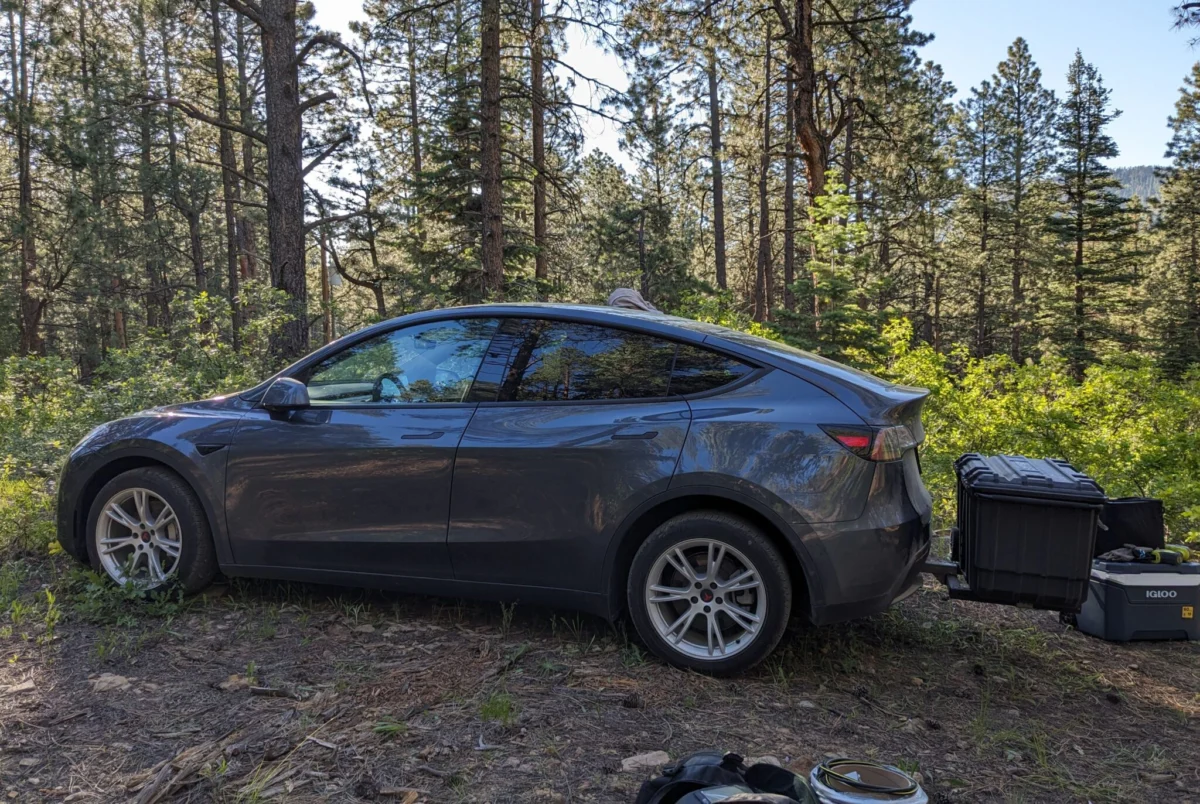
For over a decade, the internet’s most prominent advocate for extreme frugality, Peter Adeney—better known as "Mr. Money Mustache"—has built a movement around the idea that financial independence is achieved through radical austerity. His blog has been a beacon for those looking to slash expenses, retire early, and escape the clutches of modern consumerism. Yet, in a move that has sent ripples through his community of dedicated followers, Adeney has recently taken delivery of a 2023 Tesla Model Y.
This purchase represents more than just a change in vehicle; it serves as a case study for a broader philosophical pivot: the transition from an accumulation-focused mindset to one that embraces the "strategic expenditure" of life’s remaining resources.
The Evolution of a Frugal Icon
To understand the weight of this decision, one must look at the benchmark being replaced. For twelve years, Adeney relied on a classic Honda van, purchased for a mere $4,500 off Craigslist. That vehicle was more than just transportation; it was a symbol of the "Mustachian" lifestyle—a reliable, low-cost tool that ferried him across mountain ranges and aided in neighborhood home renovations.
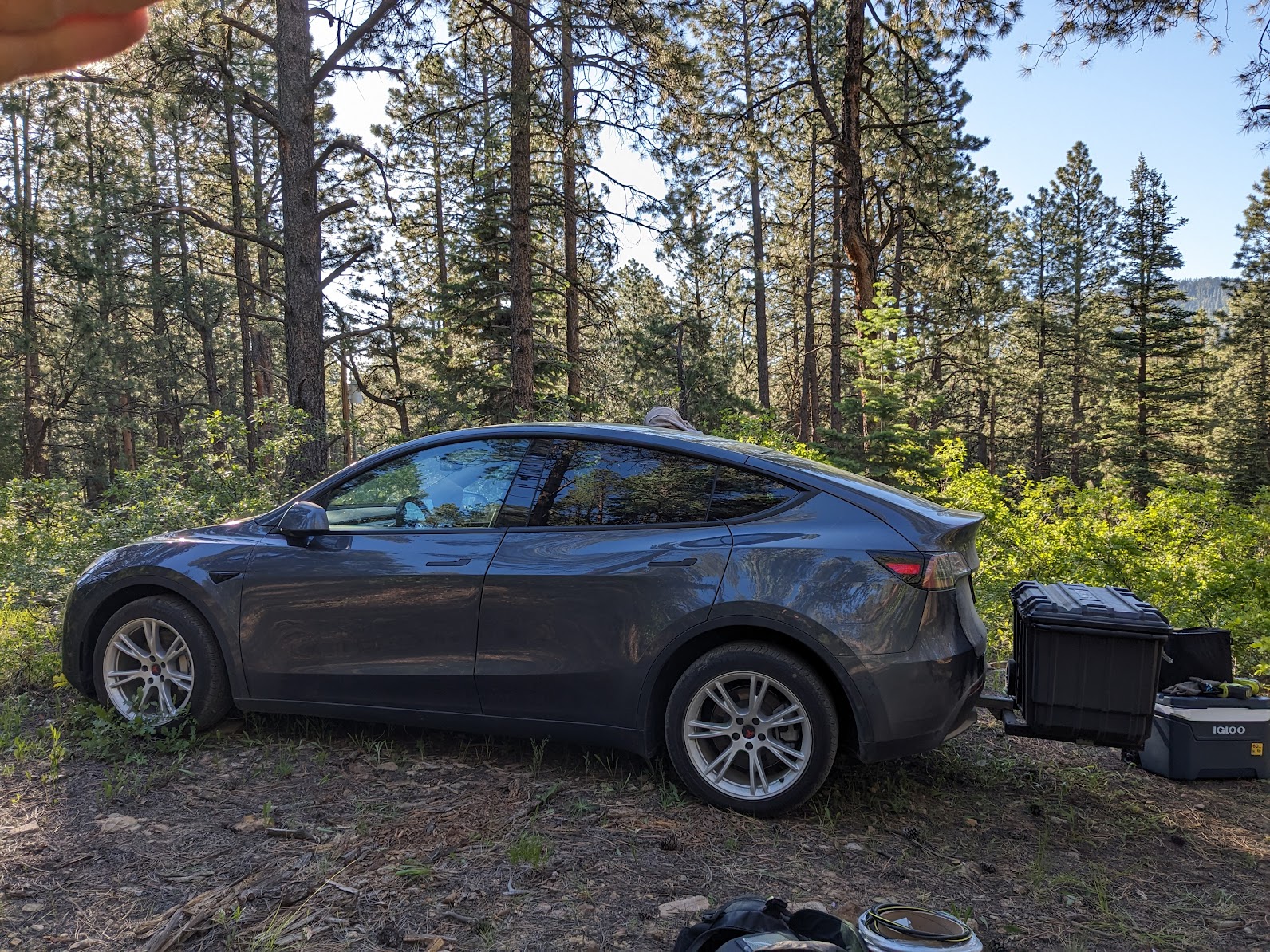
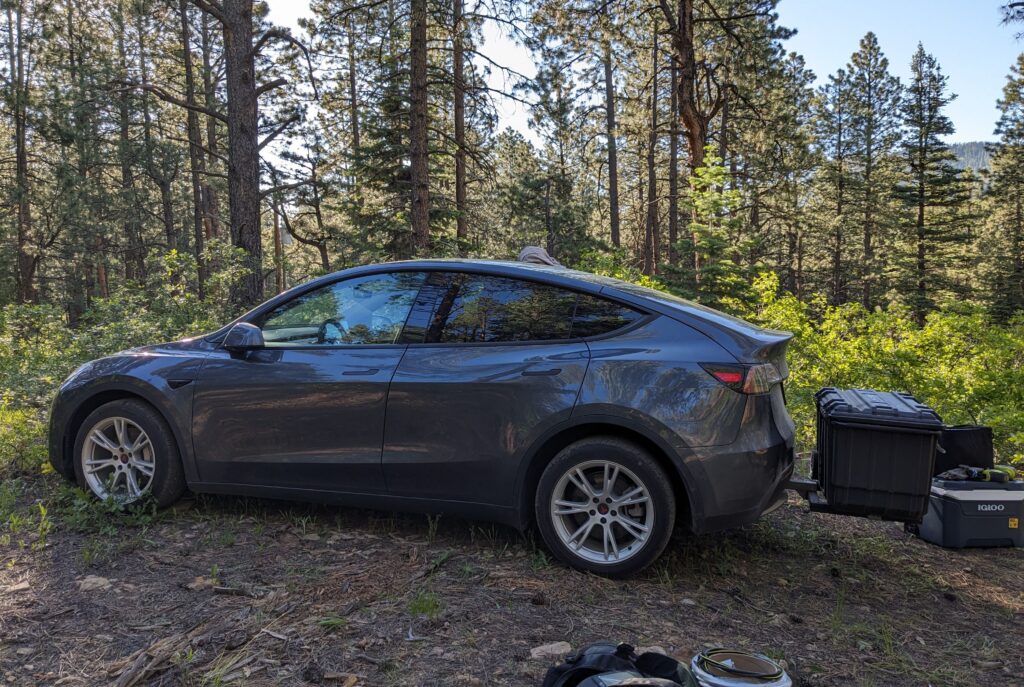
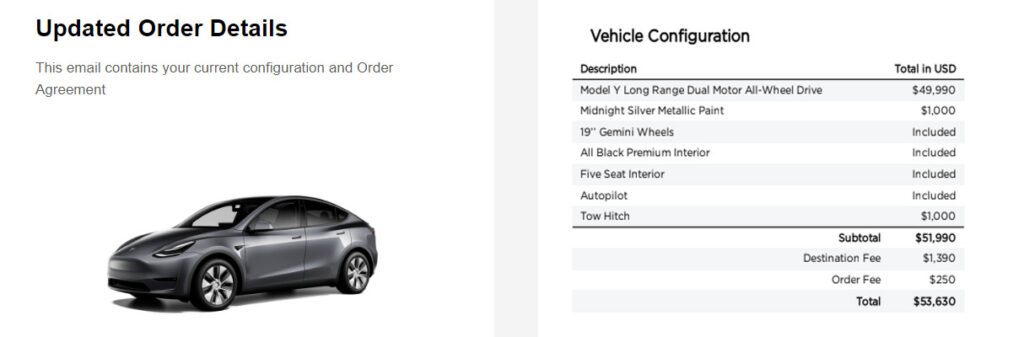
The new Tesla Model Y, by contrast, sits at the opposite end of the spectrum. It is a high-performance, tech-laden luxury crossover equipped with all-wheel drive, acceleration that rivals Italian supercars, and a suite of computing power that mirrors a data center. The net cost, after tax credits and incentives, hovers around $52,000.
For a man who has spent his career lecturing on the dangers of "car culture" and the folly of purchasing items beyond one’s means, this acquisition feels like a deliberate, albeit self-mocking, contradiction.
A Chronology of the Decision
The decision to buy the Tesla was not a sudden impulse. It was the result of a multi-year internal debate characterized by what Adeney describes as "frugal paralysis."
- 2019: The initial spark of interest in the Tesla ecosystem began, followed by a prolonged period of procrastination. Despite pressure from peers to "loosen up," Adeney held fast to his minimalist roots.
- Early 2023: The "Vanna"—the affectionate name for his aging Honda van—began showing signs of terminal decline. The final straw occurred on a mountain pass returning from a property project in Salida, Colorado, when the transmission failed.
- April 2023: Adeney placed the order for the Tesla Model Y, documenting the process and the accompanying guilt on his platform.
- July 2023: Delivery of the vehicle was finalized. The transition was punctuated by the sale of his old van to a salvage service called Peddle, which yielded $715—a sum he consciously earmarked for "guilt-free" dining experiences.
The Philosophy of "What Got You Here…"
The central theme of this transition is the adage: "What got you here, won’t get you where you’re going."
Adeney argues that the same disciplined, scarcity-oriented mindset required to amass wealth in one’s twenties and thirties can become a liability in retirement. He illustrates this with a anecdote about buying bread. Confronted with a $6.99 loaf of "Dave’s Killer Bread" at a local grocer—significantly more than his usual bulk-store price—Adeney found himself in a familiar mental battle.
"Should I boycott this? Should I find a substitute?" he questioned. Ultimately, he realized the absurdity of the internal conflict. He concluded that he would never wake up in the future and regret spending an extra $2.49, yet the cumulative stress of constant optimization was robbing him of the ability to enjoy the fruits of his labor.
Three Pillars of Strategic Spending
To help his community navigate the transition from saving to spending, Adeney has proposed three new principles:
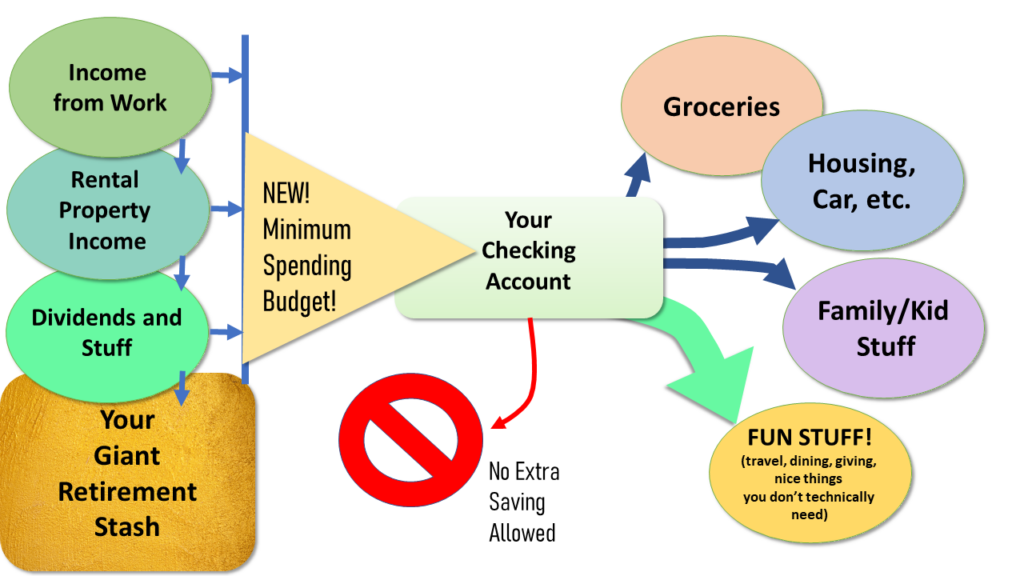
1. The Minimum Spending Budget
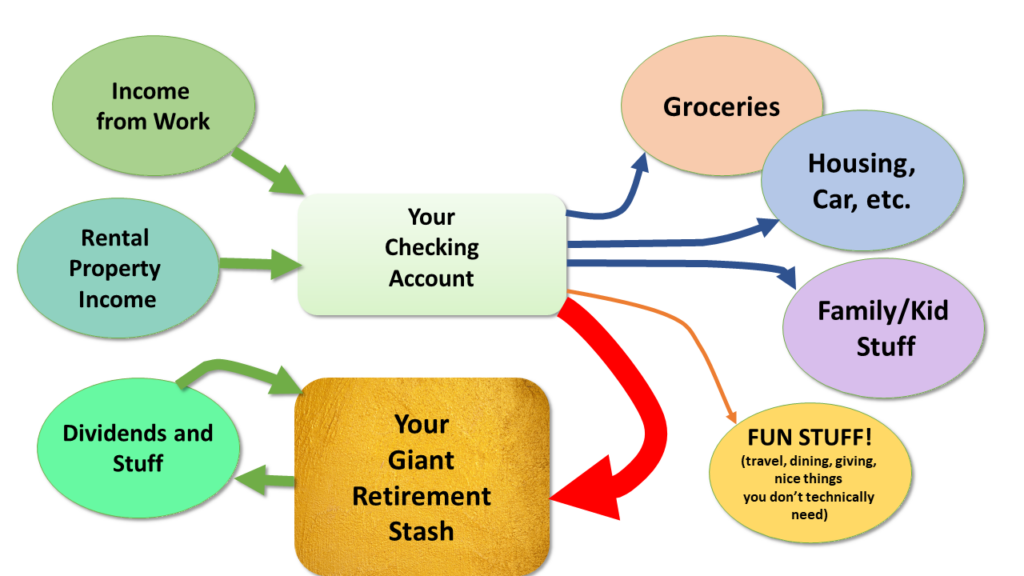
Many high-net-worth individuals who achieved independence through frugality continue to live on a "survival" budget of $40,000 or less, even when their portfolios—guided by the 4% rule—could safely support double or triple that amount. Adeney suggests that if one’s portfolio generates $80,000 annually, a "minimum spending floor" should be established to ensure the money is actually utilized for life quality.
2. The Dedicated Money Wasting Account
The psychological hurdle of spending one’s own savings is immense. Adeney suggests reframing personal funds as if they were corporate or "other people’s" money. By segregating funds into a "splurge account," the emotional sting of a large purchase is mitigated, shifting the focus from "loss of assets" to "allocation of resources."
3. The Splurge Accountability Buddy
Frugal individuals often reinforce each other’s restrictive habits. Adeney advocates for the "Splurge Buddy"—a peer who can challenge extreme cheapness and actively encourage spending on quality-of-life improvements. This ensures that the individual doesn’t fall back into the trap of optimization when a strategic expense would actually provide long-term happiness.
Implications for the Financial Independence Community
The broader implications of Adeney’s experiment are significant. For years, the Financial Independence, Retire Early (FIRE) movement has been criticized for promoting a "deprivation" model of life. By publicly embracing a $52,000 vehicle, Adeney is signaling a shift toward "Conscious Spending."
Addressing the Criticism
Predictably, the purchase drew fire from those who view such spending as a betrayal of his values. Critics argued that the money could be better spent on charity or social causes. Adeney’s response is measured but firm: he notes that he has already donated over $500,000 to charitable causes during his tenure as a blogger. He contends that the world does not benefit from "scarcity-based shame" and that one can be both a generous philanthropist and a person who enjoys a comfortable lifestyle.
The Role of "Carpentourism" and Lifestyle Utility
The Tesla is not merely a luxury item; for Adeney, it is a tool for "carpentourism"—his term for the joy of traveling to projects and remote locations. The van’s unreliability had been causing him to avoid travel, which resulted in a net loss of life experience. By replacing the stress-inducing, aging van with a reliable, long-range electric vehicle, he is effectively purchasing "peace of mind" and the ability to engage in activities he previously avoided.
Conclusion: Finding the Happy Medium
The "Model Y Experiment" is not an endorsement of reckless consumerism. It is a nuanced argument for the end of a "scarcity mentality."
Adeney maintains that one should remain a responsible steward of life savings, but he also advocates for the right to enjoy the results of that stewardship. Whether it is buying the premium frozen berries to avoid a second trip to a different store or choosing to sit in a more comfortable airplane seat to ensure a better start to a vacation, the goal is the same: optimizing for happiness rather than just the balance sheet.

As Adeney continues his journey with the new vehicle, he has launched a dedicated tracker page to document the long-term reliability and ownership experience. It is a fitting conclusion to his transition—treating his own consumption with the same rigorous, analytical approach he once applied exclusively to his savings, proving that even in retirement, there is always more to learn about how to live well.


 Asro
Asro
 Lina Irawan
 Ali Ikhwan
 Raul Delapena Setiawan
 Nana
Nana
 Muslim
 Asep Darmawan
 Neng Nana